Bilans d’évènement
FKCCI Economic Forecast 2026: “Anticipate and Adapt Is a Strategic Necessity” : Unlock Opportunities in a Transforming Global Economy
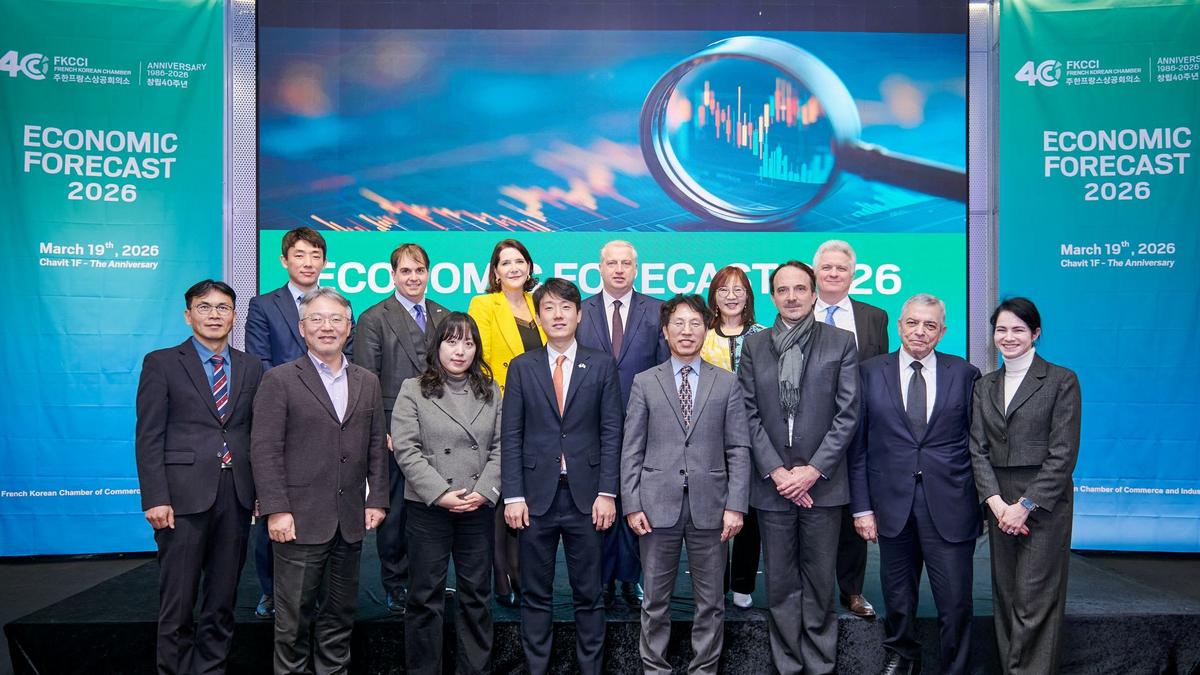
On March 19, 2026, the French-Korean Chamber of Commerce and Industry (FKCCI) brought together nearly 80 high-level business leaders, policymakers and economists for its flagship Economic Forecast 2026, offering strategic insights into a global environment shaped by geopolitical shifts, economic fragmentation and technological transformation.
More than a traditional outlook, the event offered a strategic reading of a changing world, positioning Korea and Franco-Korean cooperation at the heart of emerging global dynamics.
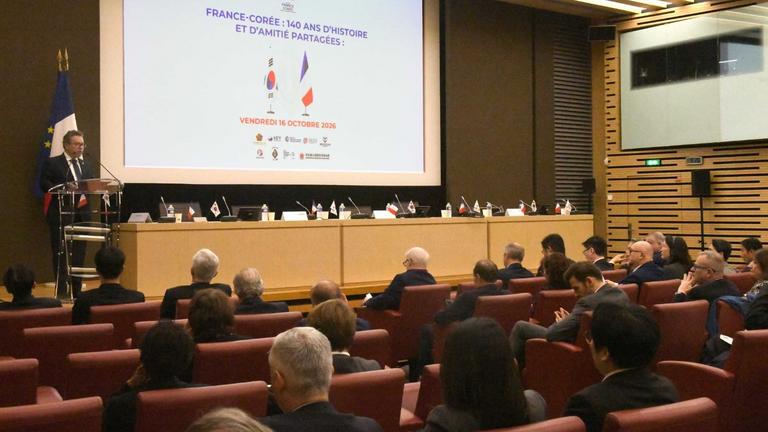
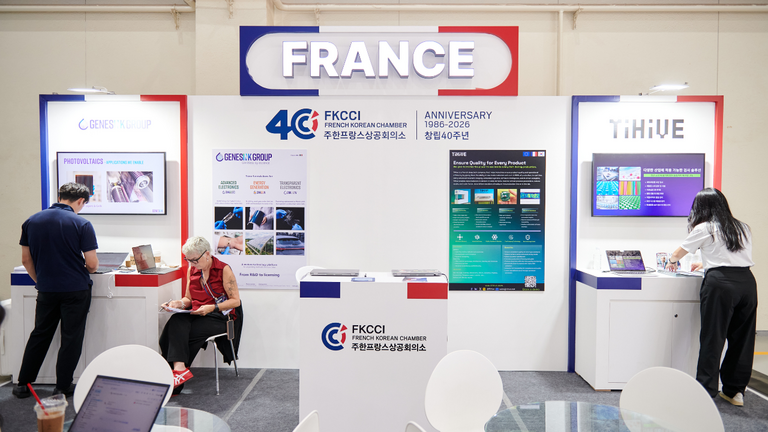
This edition holds particular significance as 2026 marks both the the 40th anniversary of the FKCCI and the 140th anniversary of diplomatic relations between France and Korea, two milestones reflecting the depth, maturity, and long-term resilience of bilateral ties.
Amid evolving global dynamics and renewed economic opportunities, the luncheon brought together key voices from the French Embassy in the Republic of Korea, the financial sector, academia, trade policy circles, and public institutions to share perspectives on Korea’s economic trajectory and the global outlook for the year ahead. The Chamber was represented by Sonia Chaieb Kim, CEO of the FKCCI.
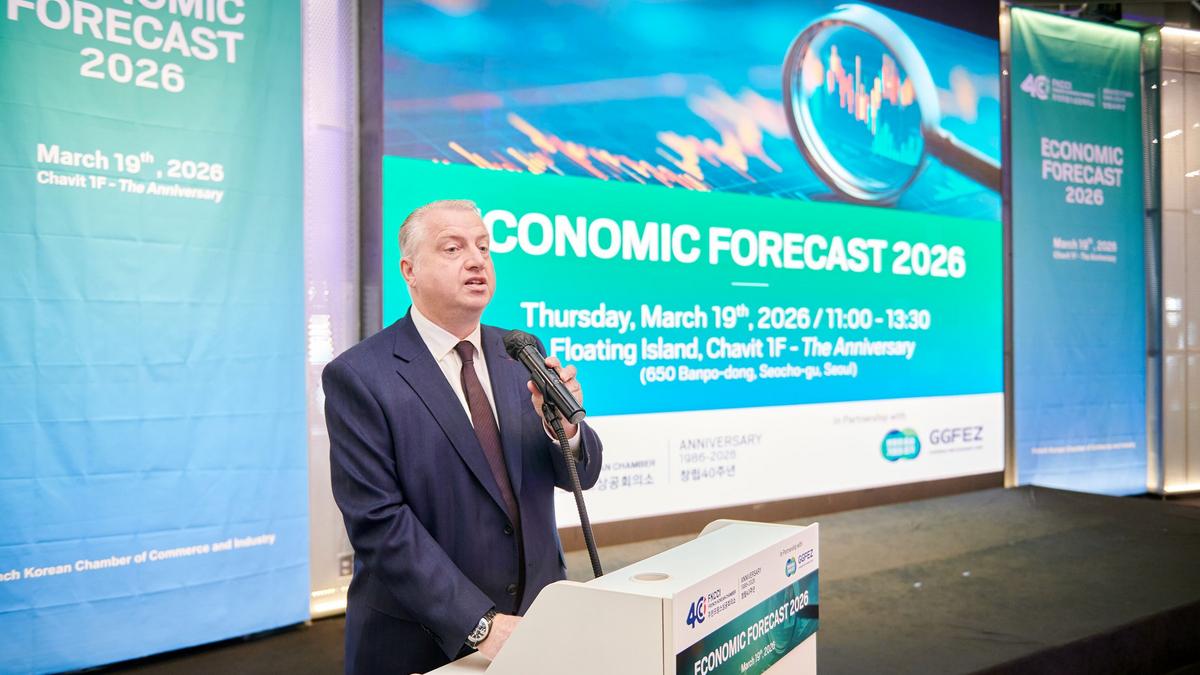
Opening the event, David-Pierre Jalicon, Chairman of the FKCCI, emphasized the importance of strategic foresight in a rapidly evolving environment:
“In a world that is becoming increasingly complex and unpredictable, our collective ability to anticipate and adapt is no longer optional, it is a strategic necessity.”
The event also featured a presentation delivered in partnership with the Gyeonggi Free Economic Zone Authority (GGFEZ), highlighting Korea’s regional competitiveness and investment opportunities.
Mr. Moon Kyo Lee, Director of Investment Promotion, emphasized the strategic advantages of the region:
“Located at the heart of Korea’s capital region, Gyeonggi Free Economic Zone offers a highly competitive environment combining infrastructure, accessibility, and investor-friendly conditions.”
Ms. Yoo-jung Kim, Project Manager in the Investment Promotion Division, added:
“Our objective is to provide comprehensive and tailored support to foreign investors, enabling them to successfully establish and grow their operations in Korea.”
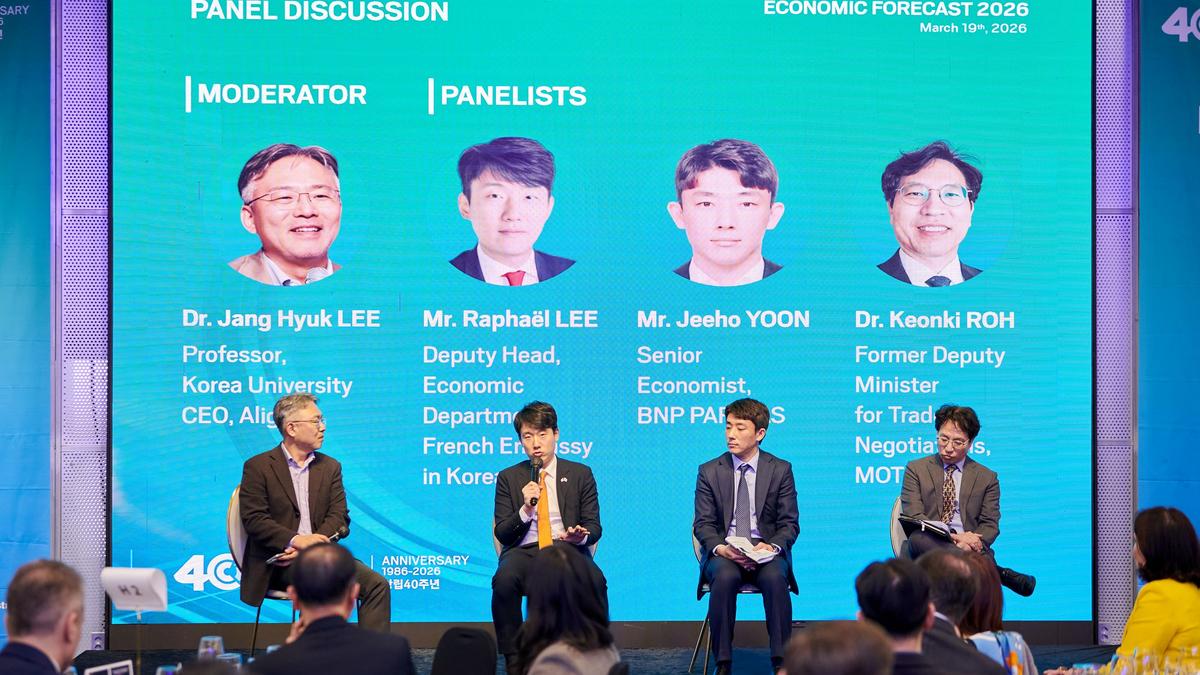
Raphael Lee, Deputy Head of Economic Department in Korean Economic Analysis from the French Embassy in the Republic of Korea, provided an overview of Korea’s macroeconomic outlook, highlighting a relatively resilient economic environment despite ongoing structural challenges.
“Korea is entering 2026 with a stable macroeconomic foundation, but this stability must not obscure underlying vulnerabilities, particularly linked to external dependencies and domestic demand.”
Growth is expected to gradually recover toward 2%, supported by exports and industrial investment, while domestic consumption remains comparatively subdued. Offering a global perspective, Jeeho Yoon, Senior Economist at BNP Paribas, underlined the complexity of the current economic cycle:
“We are entering a phase where central banks face increasingly complex trade-offs between inflation control, financial stability, and growth support.”
He also pointed to persistent risks linked to geopolitical tensions and energy markets, noting that the current environment could reignite inflationary pressures while limiting policy flexibility.
Dr. Keonki Roh, former Deputy Minister for Trade Negotiations, provided a strategic reading of ongoing transformations in global trade:
“The rules of global trade are being fundamentally reshaped, moving from efficiency-driven models toward security, resilience, and strategic autonomy.”
He further warned that rising economic nationalism and the fragmentation of the multilateral system are increasing uncertainty for industries and global supply chains.
In this context, localization strategies, carbon traceability, and supply chain resilience are becoming critical success factors for companies operating internationally.
Beyond macroeconomic indicators, discussions highlighted key structural trends shaping 2026. Artificial intelligence and semiconductors emerged as major growth drivers, while traditional sectors such as construction and domestic consumption continue to face headwinds, reflecting a K-shaped recovery. Speakers also pointed to long-term structural challenges, including Korea’s aging population, slowing productivity, and high household debt.
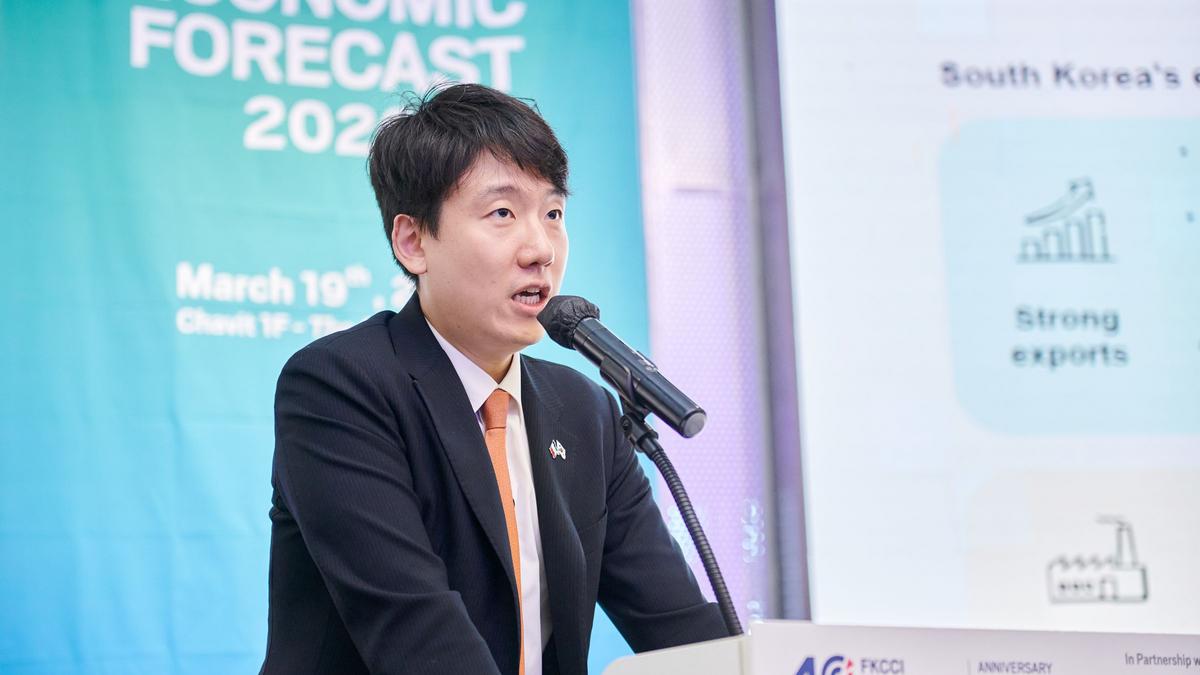
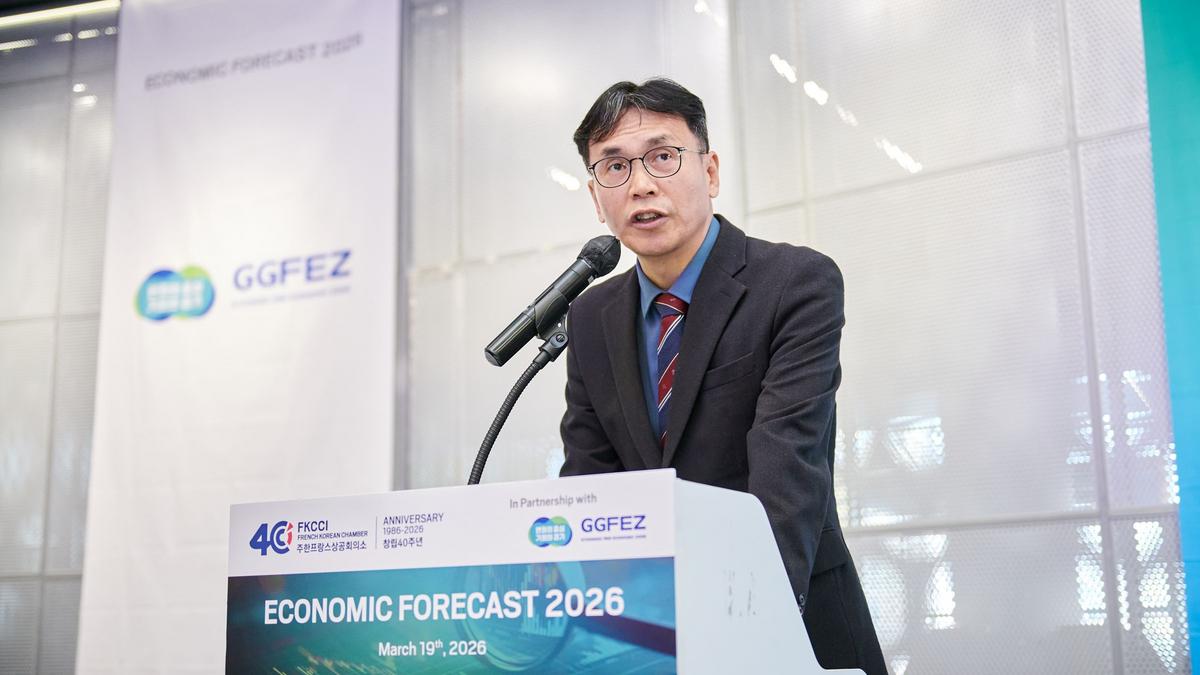
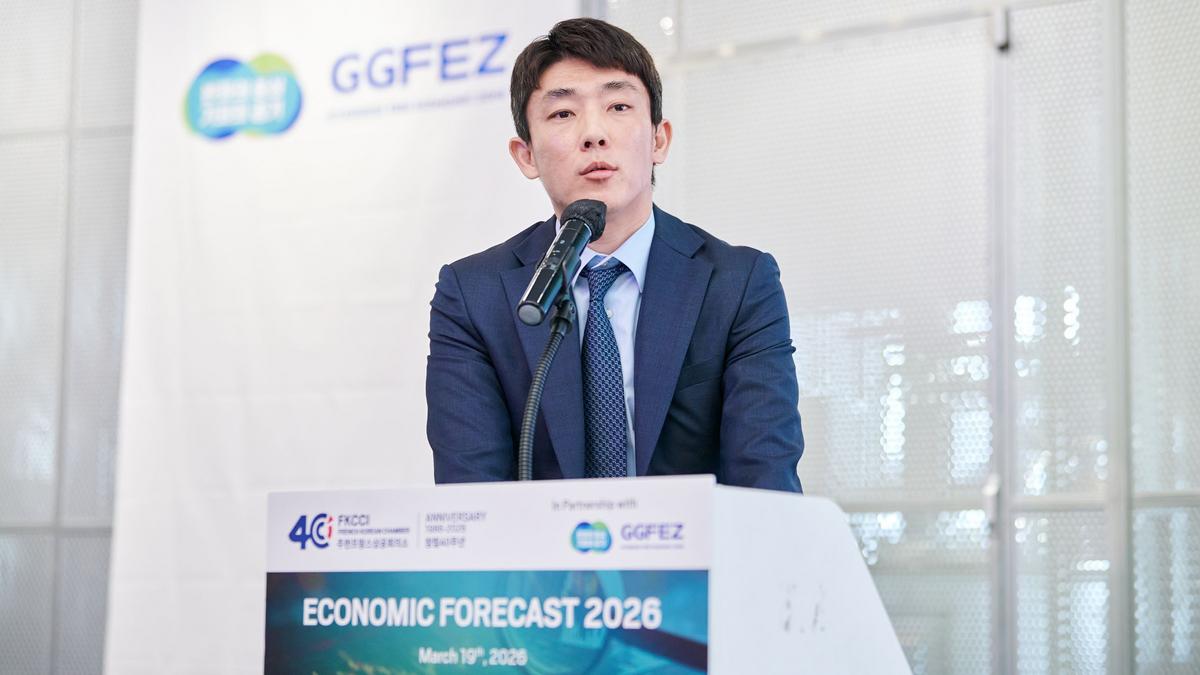
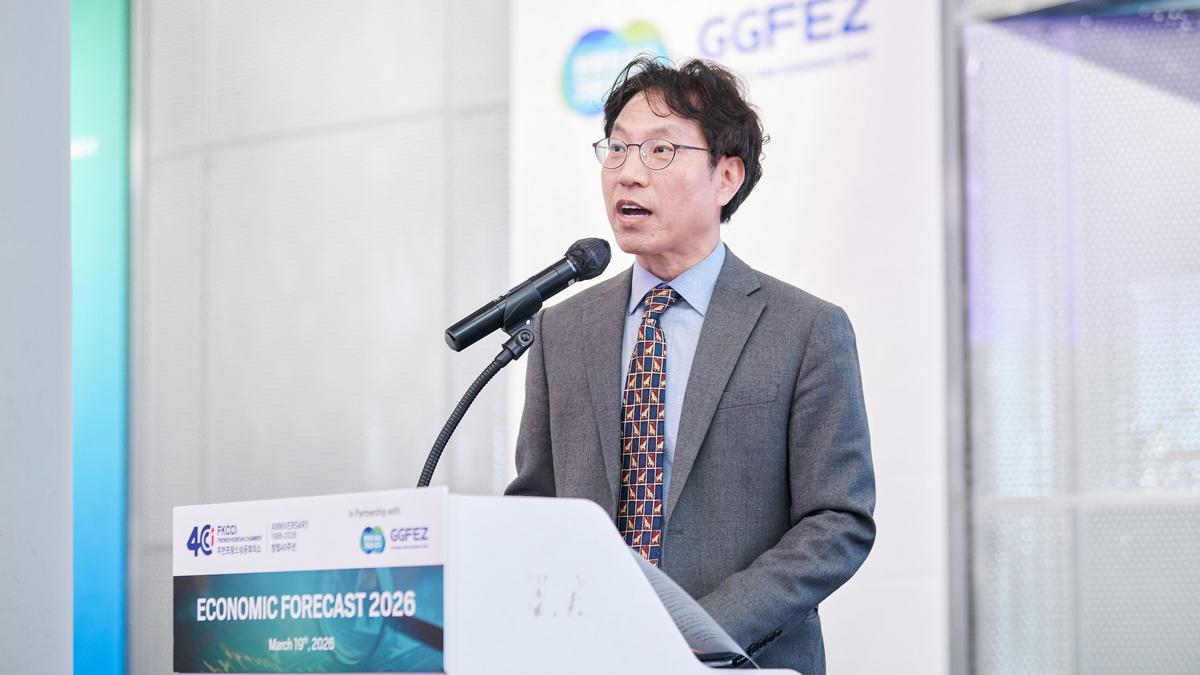
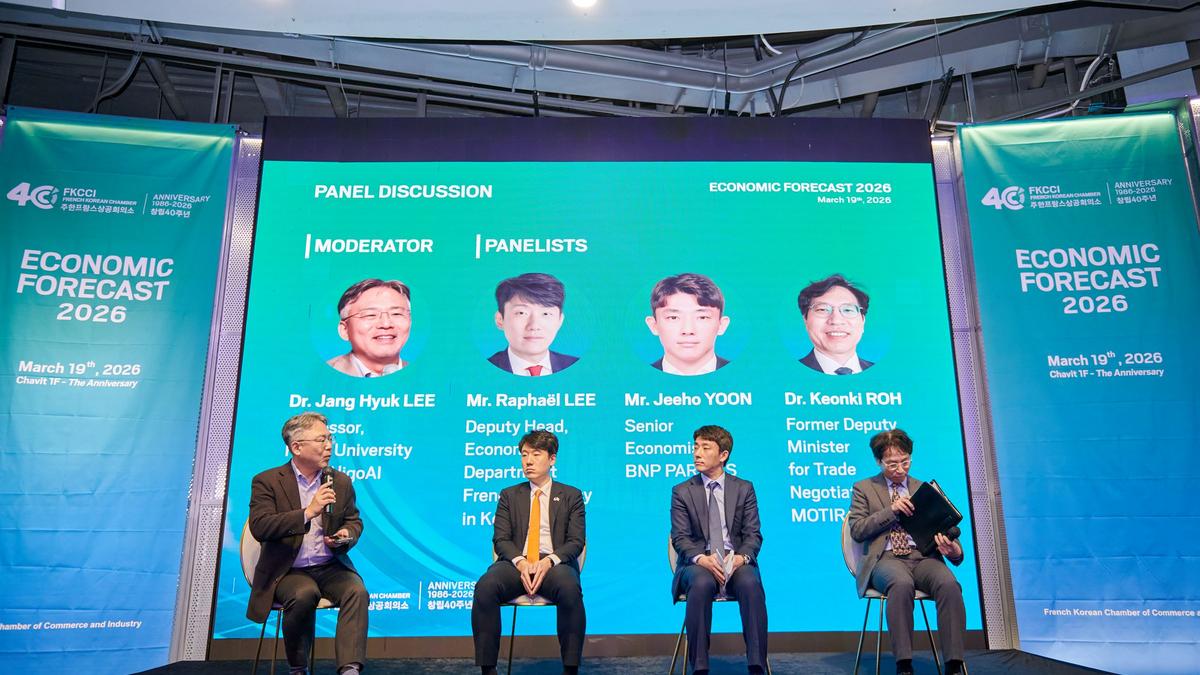
The panel discussion, moderated by Dr. Jang Hyuk Lee (Korea University Business School & CEO of AligoAI), further deepened these reflections by focusing on corporate strategies in an increasingly fragmented global environment. Panelists emphasized a clear shift in business paradigms:
“The rules of the game have changed. It is no longer about optimizing costs, but about securing supply chains and ensuring resilience.”
They also highlighted the strong complementarities between France and Korea, particularly in emerging technologies:
“France brings strengths in innovation and software, while Korea excels in industrial applications. Combining these capabilities opens significant opportunities in global markets.”
In this context, AI, semiconductors, and decarbonization were identified as key areas for future cooperation and growth.
Concluding the discussion, panelists shared a common outlook:
“In a volatile environment, agility and strategic positioning will be key to capturing future opportunities.”
Economic Forecast 2026 once again positions the FKCCI as a key platform for strategic reflection and high-level economic exchange, supporting companies in navigating an increasingly complex global environment.